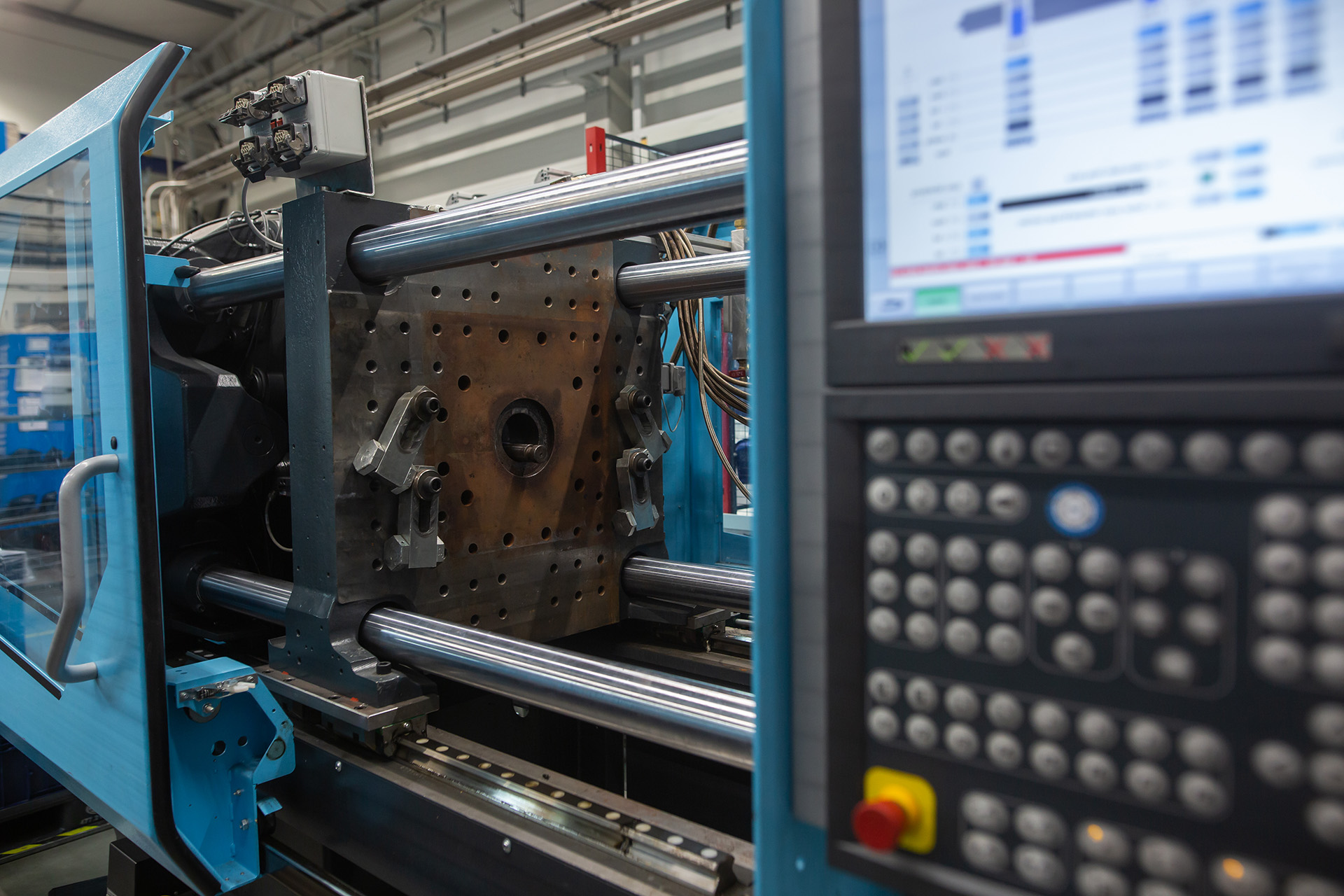
Manufacturers have been underserved by the IT industry for a long time. Traditional IT support models are often designed around office users and individual tickets. Manufacturing environments require additional context, including production impact, ERP dependencies, shop-floor connectivity, vendor coordination, and recovery planning.
When your ERP goes down, scheduling stops. Purchasing stops. Inventory visibility disappears. Shipping delays. The floor idles. Every minute of downtime has a direct, calculable cost — and a generalist help desk does not have the context to treat it like the production emergency it is.
That gap is why Interlink made a deliberate decision to focus on manufacturing. Not because it is the easiest market — it requires a deeper understanding of operational environments, manufacturing ERP and business systems, shop floor infrastructure, and the real stakes of system failure. Because it is where the need is clearest and the difference a specialized provider makes is most measurable.
ERP is production infrastructure, not office software
Manufacturers depend on ERP and business systems to drive scheduling, inventory, purchasing, and shipping. We support them as production-critical infrastructure, not office software that can wait until tomorrow.
Shop floor context most providers don't have
Our background includes direct experience in production environments — networked shop floor equipment, barcode systems, and the operational reality of a facility where every hour of downtime has a cost.
No finger pointing between IT and software vendors
When an ERP issue involves both infrastructure and application support, most providers point at each other. We coordinate between your technology and your software vendors so you don't have to manage that conversation.
Manufacturing is a Frequent Target for Ransomware and Cyberattacks
IBM X-Force has reported that manufacturing remains one of the most frequently targeted industries for cyberattacks, with attackers taking advantage of production downtime sensitivity, legacy systems, and operational disruption risk. We build our security practice around the controls manufacturers are commonly asked to prove at cyber insurance renewal, including MFA, endpoint protection, tested backups, remote access controls, and network segmentation.